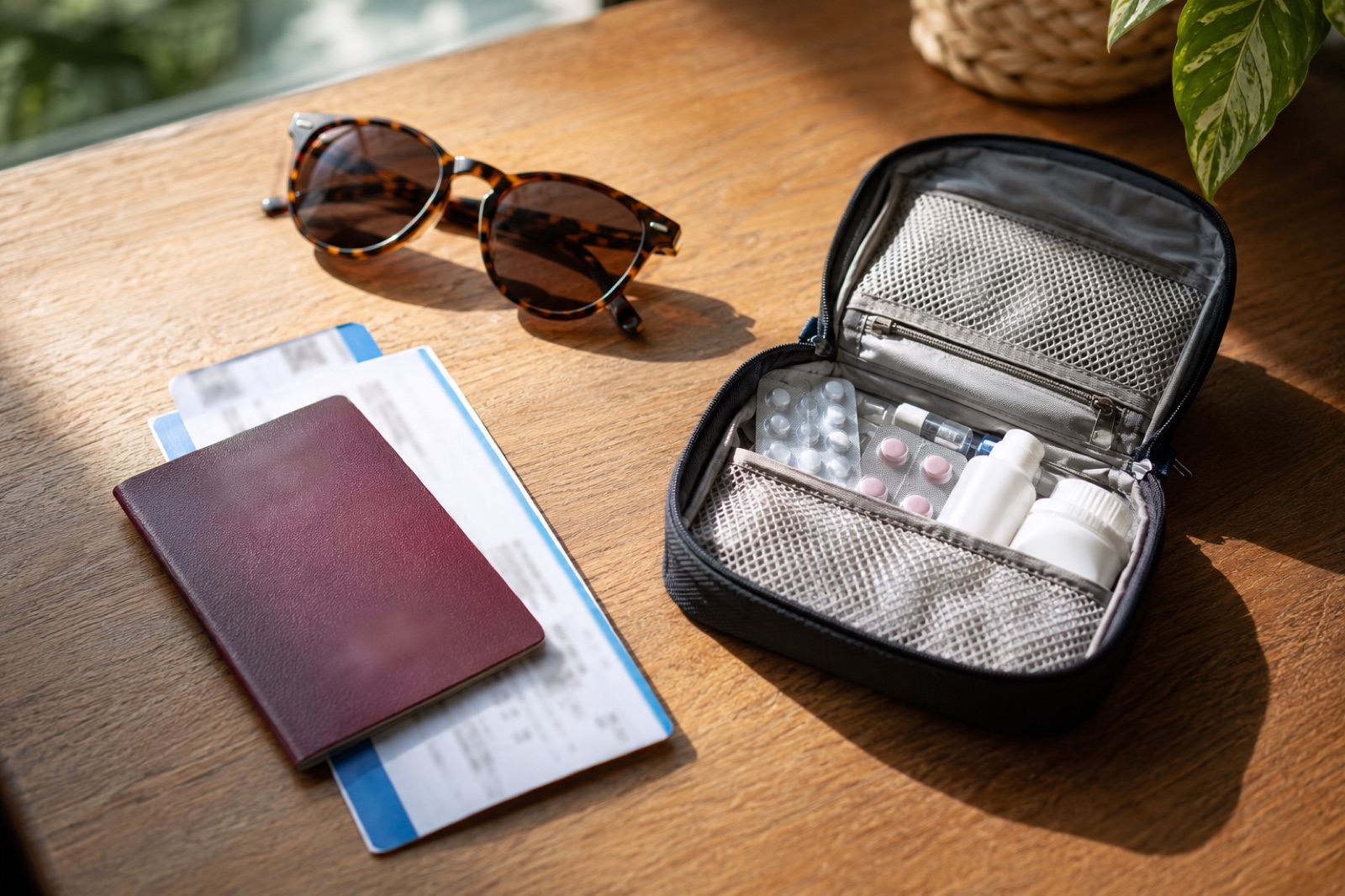
Flu vaccine: protecting you and your family
Flu vaccine: what actually happens in the appointment, why the science means you need it every year, and gently busting the "it gave me the flu" myth.
You feel grand in October. No sniffle, no cough, nothing to suggest you’d spend three days in bed by February. That’s exactly the problem with the flu: it doesn’t send a warning. One of the most useful things a pharmacist can do each autumn is stop people at the counter and say, simply, this jab takes two minutes and it’s worth your while.
Your body forgets flu faster than flu changes its disguise.
Why it’s every single year
The flu vaccine isn’t like the ones you got as a child, the sort that protect you for decades with one course. Influenza is a shapeshifter. Every year it mutates slightly, a process scientists call antigenic drift, so the strains circulating this winter are subtly different from last winter’s. Your immune system, which learned to recognise last year’s version, doesn’t fully recognise the new one. That’s why the vaccine gets reformulated annually, based on surveillance of which strains are actually spreading around the world, and why last year’s jab won’t cover you this year. It’s less a one-off shield and more an annual update, closer to refreshing a map than building a wall, and it’s a genuinely interesting bit of science hiding behind what feels like a routine autumn errand.
Who benefits most is a slightly longer list than people expect. It’s not just those over 65 or the classic 'at risk' groups like people with asthma, diabetes or heart conditions, though they remain the priority. Pregnant women are strongly encouraged, since flu can hit harder in pregnancy and some protection passes to the baby too. Anyone living with a vulnerable person, healthcare workers, and parents of young children in creche or school, where flu spreads like wildfire, all have good reason to consider it. Even fit, healthy adults who rarely get sick can end up out of action for a week, or worse, pass it on to someone who won’t shrug it off so easily. If you’re weighing it up for yourself and you’re not sure whether you count as a priority group, that’s a perfectly good reason to ask rather than assume either way, and it’s a conversation that takes less time than the queue itself.
What the appointment feels like
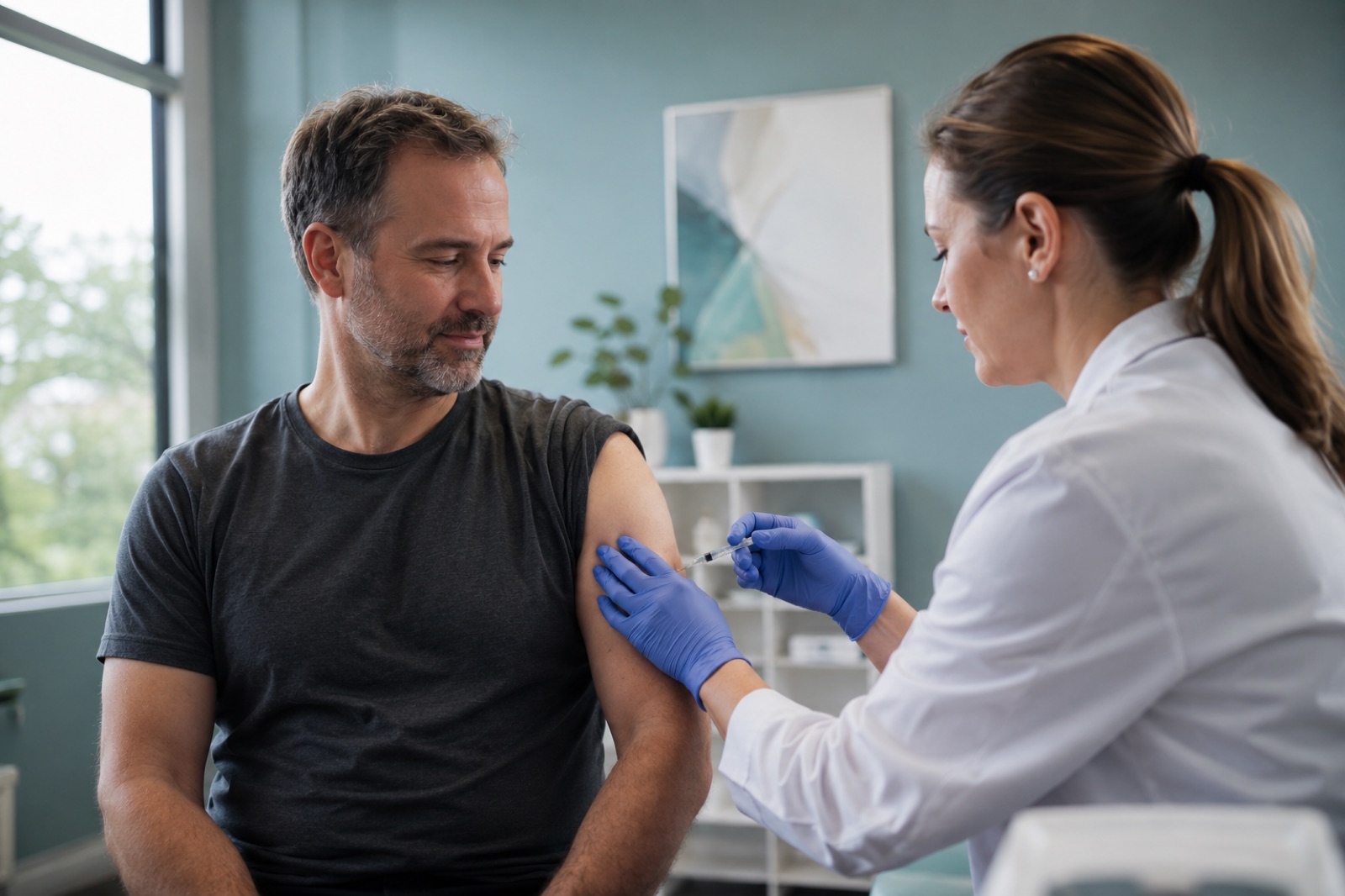
Walking in for the jab is far less clinical than people imagine. You’ll have a short chat with the pharmacist first, a few quick questions about allergies, whether you’re on any medication, and how you’ve been feeling. The injection itself, usually in the upper arm, takes seconds, and most people barely feel more than a quick pinch. You’ll be asked to wait around fifteen minutes afterwards, just so we can keep an eye on you, though reactions are rare. Most people are back in the car, or back to the shops, well within twenty minutes of walking through the door.
The myth that won’t die
The one myth worth clearing up every single year: the vaccine cannot give you the flu. It doesn’t contain a live flu virus capable of infecting you. What some people feel afterwards, a heavy arm, mild tiredness, maybe a low-grade ache for a day, is simply your immune system doing exactly what it’s meant to do, building up defences. That’s a world away from actual flu, which brings fever, proper body aches, and days spent unable to get off the sofa. Catching a cold around the same time as your jab, purely by coincidence, is far more likely than any reaction to explain that timing, especially in a season when colds are going round every workplace and school.
None of this needs to be complicated. Pop into any of our pharmacies during flu season, no GP appointment or referral needed, and one of the team will talk you through whether it suits you and answer whatever’s on your mind. If you’re still unsure whether you fall into a priority group, or you’re weighing it up for a child or an elderly parent, just ask the pharmacist next time you’re in. There’s no such thing as a silly question when it comes to protecting your own winter.
Still wondering about something?
Ring 061 454 000 and ask for the pharmacist — that’s what we’re here for.
Worth a read next
Health Hub