Quitting smoking: why the next attempt might be the one
Most quit attempts don’t work first time, and that’s not failure, it’s practice. Here’s why the next one has better odds with the right support.
There’s a fair chance you’ve quit smoking before. Maybe more than once. Maybe it lasted a fortnight, maybe six months, maybe you don’t like to talk about how it ended. None of that is a mark against you. It’s simply what quitting smoking usually looks like for most people, and it tells us something useful about what to do differently this time.
Every attempt that didn’t stick was practice, not proof that you can’t.
Why quitting takes a few goes
Nicotine is genuinely one of the more stubborn habits to break, not because of any lack of willpower on your part, but because it works on both the body and the routine at once. It settles into the small moments of a day, the coffee break, the drive home, the phone call outside, so that stopping means unpicking dozens of tiny habits as well as managing withdrawal. Most people who eventually quit for good did not do it on the first try. They tried, learned what tripped them up, adjusted, and tried again with a bit more insight each time. Looked at that way, a previous attempt isn’t a failure sitting in your past. It’s information you already own, and it’s worth bringing into the conversation the next time you’re planning a quit date, because it tells us exactly where to put the extra support.
Sharing the load with NRT
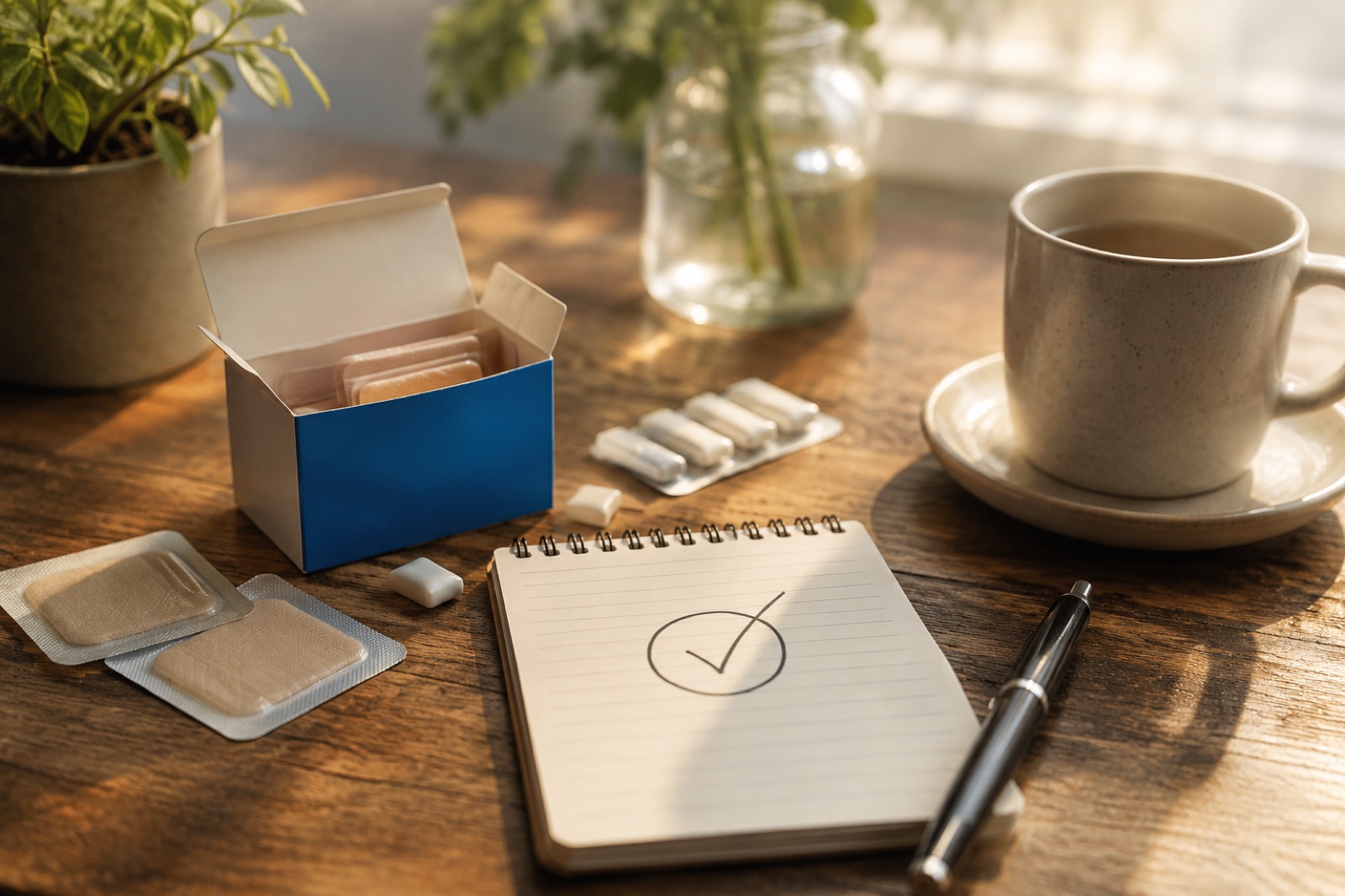
Willpower alone asks you to fight both the physical craving and the daily habit at the same time, which is a lot to carry unassisted, and it’s why so many attempts stall around the one to two week mark. A structured approach spreads that load. Nicotine replacement therapy, whether patches, gum, lozenges or a spray, takes the physical edge off the craving so your willpower only has to deal with the habit side of things. The key is matching the product, and the dose, to how you actually smoke. Someone who lights up within minutes of waking and gets through a pack a day needs a different plan to someone who smokes ten a day mostly in the evening, and this is exactly the kind of thing worth working through with your pharmacist before you set a date, rather than guessing off a shelf.
A proper quit date matters more than people expect. Picking a day, ideally one without an unusual amount of stress lined up, gives your brain a clear line to prepare for rather than a vague someday intention that keeps sliding. In the run-up, it helps to notice your actual triggers, the specific times, places and feelings that usually mean a cigarette, so you can plan an alternative for each one rather than being caught out in the moment. This is also where regular check-ins with your pharmacist earn their keep. A short conversation every week or two, adjusting the nicotine replacement dose if cravings are breaking through or easing off as things settle, catching a stumble early and helping you get straight back on track, consistently improves the odds compared to going it alone with nothing but a start date and good intentions.
What the first fortnight feels like
The first couple of weeks after quitting are the part nobody quite prepares you for, so it helps to know roughly what’s normal. Cravings tend to come in short, sharp waves, often only a few minutes long, rather than one long constant pull, and they do get further apart as the days go on. Irritability, restlessness, trouble concentrating and disturbed sleep are all common and all temporary. Some people notice a cough as the lungs start clearing themselves out, which sounds worse than it is and settles. Appetite often changes too, and a bit of oral habit, something to hold or chew, can take the place of the hand-to-mouth routine that smoking used to fill. None of this means the quit is failing. It means it’s working, and the discomfort is temporary while the change underneath it is not.
If you’re weighing up another attempt, that’s already the right instinct, and it’s worth having a proper conversation about it rather than just picking a date on your own. Drop into our Castletroy pharmacy — home of our stop-smoking support — or ask at any Scanlons counter and we’ll point you to the right team. Talk through what happened the last time, what your daily smoking pattern actually looks like, and which nicotine replacement option would suit you best. We can also talk you through what to expect week by week and check in as often as you need while you’re going through it. If you’ve concerns beyond what we can cover at the counter, your GP is always a good next call too. The next attempt genuinely can be the one, especially with a bit of structure behind it.
Still wondering about something?
Ring 061 454 000 and ask for the pharmacist — that’s what we’re here for.
Worth a read next
Health Hub