
Better sleep: how to help yourself naturally
Small, consistent changes beat quick fixes. What the pharmacy team recommends trying first.
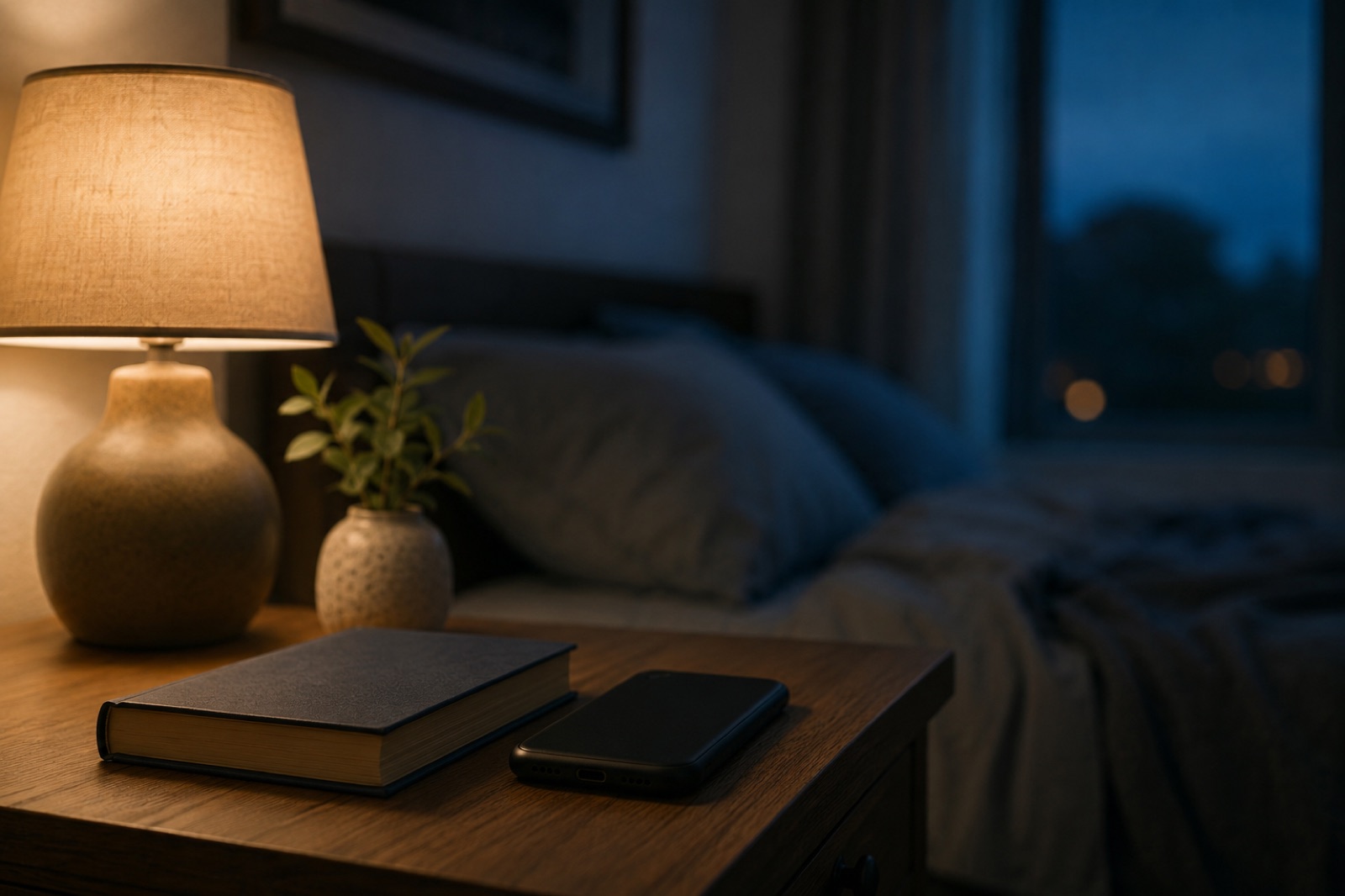
Most of us have had the three in the morning experience: wide awake, mind racing, wondering why the one thing your body is supposed to do automatically has suddenly become so hard. Sleep feels simple until it isn’t. The good news is that for most people, poor sleep isn’t a mystery that needs fixing with willpower or an expensive gadget. It usually comes down to a handful of everyday habits that are easy to overlook and, thankfully, easy to adjust.
Your body doesn’t want a perfect night. It wants the same night, over and over.
Your body clock runs the show
That’s really the whole secret behind something called the circadian rhythm, which is just a fancy term for your body’s internal clock. It’s set by light, meal times, activity, and habit, and it governs far more than sleep, including digestion, mood, and energy levels through the day. When you go to bed and get up at roughly the same time every day, even at weekends, you’re giving that clock a steady signal to work with. When the timing swings around, the clock gets confused, and no amount of extra hours in bed fully makes up for it. This is why two people can sleep the same seven hours and feel completely different the next day. Consistency is doing more work than duration ever will.
The afternoon coffee problem
Caffeine deserves a mention here, because its reputation as a morning-only concern is a bit misleading. Caffeine has a half-life of several hours, meaning that a good portion of the cup you had at three in the afternoon is still circulating in your system well into the evening. You might fall asleep without much trouble and still find your sleep is lighter and more broken than usual, without ever connecting it back to that afternoon coffee or tea. If you’re someone who struggles to stay asleep rather than fall asleep, this is often the first thing worth looking at, well before anything more complicated.
Screens get a lot of blame for poor sleep, and the light they give off does play a small part, but it’s rarely the main story. The bigger issue is usually what we’re doing on those screens and when we’re doing it. Scrolling the news, replying to work emails, or getting pulled into an argument in the comments section is mentally activating at exactly the point your brain should be winding down, and that alertness lingers long after you put the phone away. It also quietly eats into bedtime, so an intended ten minutes becomes an hour and the whole schedule slides later. A wind-down routine matters more than the specific device, whether that’s reading, low light, or simply agreeing with yourself on a cut-off time.
Small changes tend to help more than people expect. Getting daylight earlier in the day, keeping meals and caffeine on a steady schedule, and having a consistent wind-down signal to your body that it’s time to slow down are all modest, unglamorous adjustments that add up. None of them require buying anything, and none of them work overnight, but given a couple of weeks they tend to make a real difference for people who thought their sleep was simply out of their control.
When medication is the culprit
It’s also worth knowing that sleep trouble is sometimes tied to medication rather than habits alone. Certain tablets for blood pressure, some antidepressants, steroids, and even a few over-the-counter decongestants and pain relievers can interfere with sleep, either by causing alertness at the wrong time or disrupting the deeper stages of it. This doesn’t mean stopping anything on your own, but if your sleep changed around the same time you started a new medication, that timing is worth mentioning. Pop into the pharmacy and one of the team can look at what you’re taking and when, and help you figure out whether a simple change in timing might help. If sleep problems are persistent or affecting your day-to-day life, it’s worth a chat with your GP too.
Still wondering about something?
Ring 061 454 000 and ask for the pharmacist — that’s what we’re here for.
Worth a read next
Health Hub