Children’s medicines: getting the dose right at home
A child’s dose is worked out from weight, not by halving yours. How to measure it right, track multiple medicines, and know when a fever needs the GP.
A crying, feverish child at eleven at night has a way of making the small print on a medicine box feel very large indeed. You want to help, you want to get it right, and you want to do it now. The good news is that getting a child’s dose right at home is a lot more straightforward than it feels in that moment, once you know the few things that actually matter.
A child is not a small adult, and their dose is never just yours, halved.
Weight first, age second
Adult doses are usually one-size-fits-most because most adults sit in a similar weight range. Children don’t. A two-year-old and a ten-year-old can both be on the same bottle of liquid paracetamol or ibuprofen, but the amount each of them needs is different, and it is worked out from weight first, age second, not from splitting an adult tablet in half or guessing downward. That is why the dosing chart on the box or leaflet asks for weight, and why it is worth actually weighing your child now and again rather than relying on a rough guess from a few months ago, especially with younger children who can put on weight quickly. Giving a dose based on an outdated weight, or on age alone, is one of the easiest ways to end up giving too little to help or, less commonly, more than intended.
This is also where our pharmacy team earns our keep, and we don’t mind being asked twice. If you are ever unsure which strength or product is right, or your child is at the edge of a weight band on the chart, bring the box in or give us a call. It takes two minutes at the counter and it means you’re dosing with confidence instead of a hopeful estimate at midnight.
Ditch the kitchen teaspoon
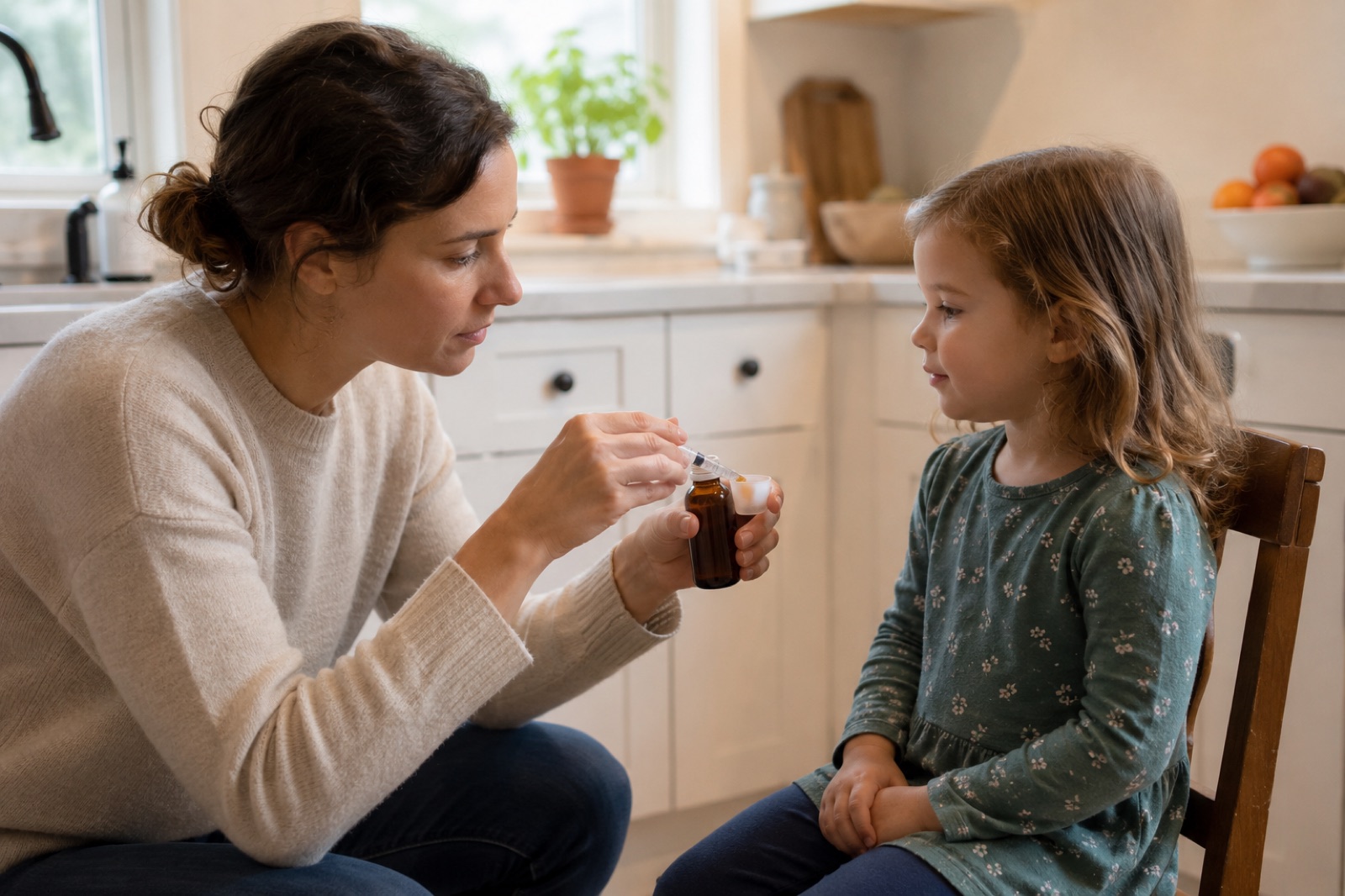
The other quiet source of dosing errors is the humble kitchen teaspoon. It is not a medical measuring device, and household spoons vary quite a bit in size, which means a level teaspoon from the cutlery drawer might carry noticeably more or less liquid than the five millilitres a dose actually calls for. Every children’s liquid medicine comes with its own oral syringe or dosing cup for exactly this reason, and it is worth using it every single time, even when you are tired, even when it has rolled under the couch and the kitchen spoon is right there. If a dosing syringe or cup ever goes missing, we can give you a replacement at the pharmacy rather than you having to improvise with whatever is in the drawer.
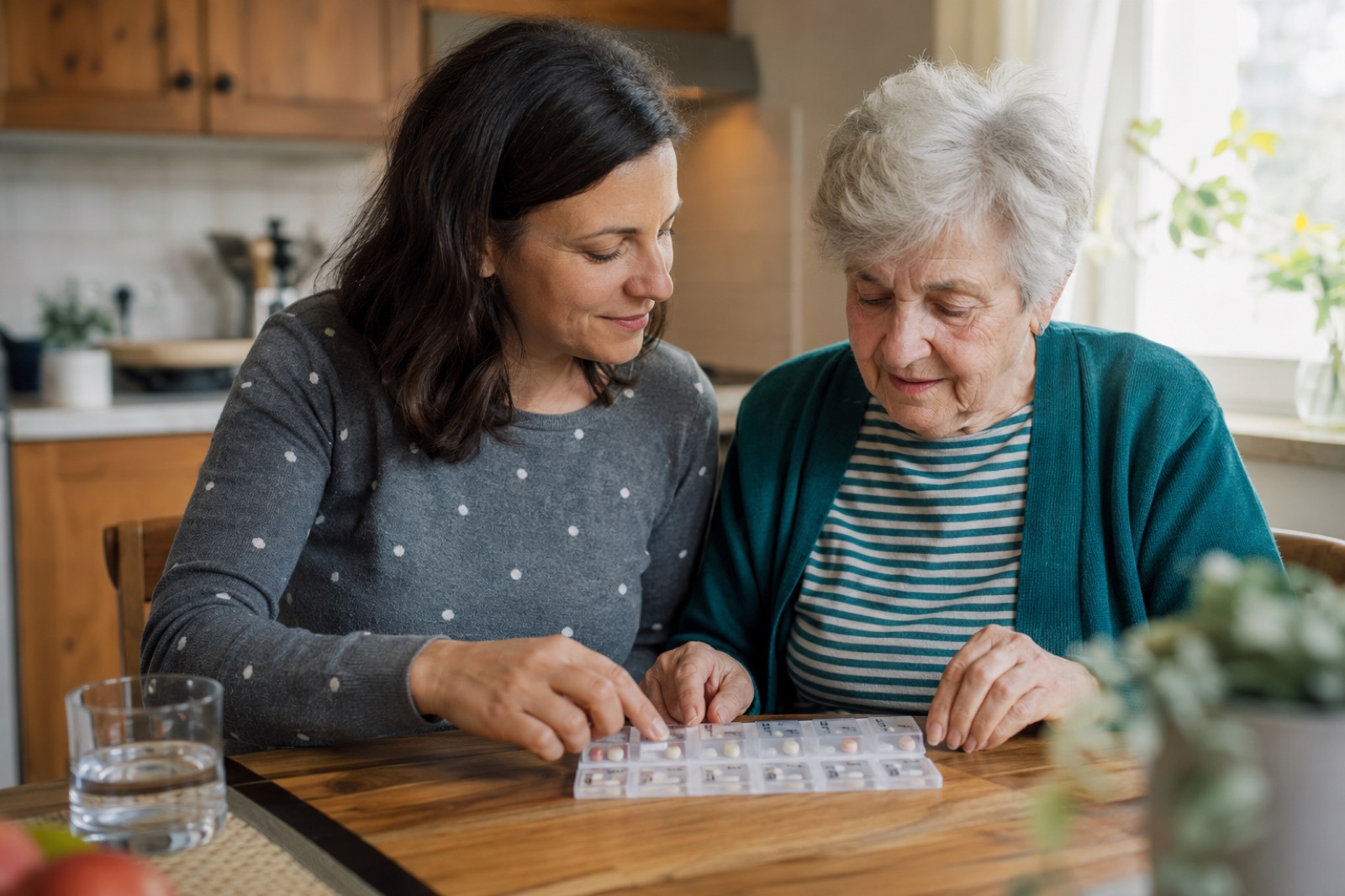
Things get trickier when a child is unwell enough to be on more than one medicine at a time, say a fever reliever alongside a cough preparation or something prescribed by the GP. The medicines themselves are usually fine together, but the timing is where parents lose track, especially over a broken night or two. A simple written log, even just scribbled on paper on the kitchen counter, with the medicine name, the time given, and the dose, takes the guesswork out of the next round and stops the two natural failure modes: giving a dose too early because you’ve lost track, or missing one because everyone’s exhausted. If two carers are involved, a parent and a grandparent doing the school run, say, that log matters even more, since it’s the only shared memory of what’s already been given.
When to ring the GP
Most childhood fevers and coughs settle at home with fluids, rest, and the right dose of the right medicine, and a high number on the thermometer on its own is rarely the thing to panic about. What matters more is how your child is in themselves: are they still drinking, still rousable and interactive between bouts of fever, still themselves in the quieter moments. A same-day GP call is the right move if a young baby under three months has any fever at all, if a fever persists for several days without easing, if your child is unusually drowsy, floppy, or hard to wake, if they’re not taking fluids or wetting nappies as normal, or if a rash, breathing difficulty, or repeated vomiting joins the picture. None of that means you did anything wrong at home. It just means it’s time for a GP to take a look, and trusting that instinct is part of good parenting, not a failure of it.
If you’re ever standing in the pharmacy aisle unsure which product, which strength, or which dose is right for your child’s age and weight, ask us. That’s what we’re there for, and we would always rather answer the same question twice than have you guess once.
Still wondering about something?
Ring 061 454 000 and ask for the pharmacist — that’s what we’re here for.
Worth a read next
Health Hub