Shingles and pneumonia: the vaccines people forget about
Not just the flu jab: why shingles and pneumococcal vaccines deserve a place on the pharmacy counter conversation, especially for anyone over 50.

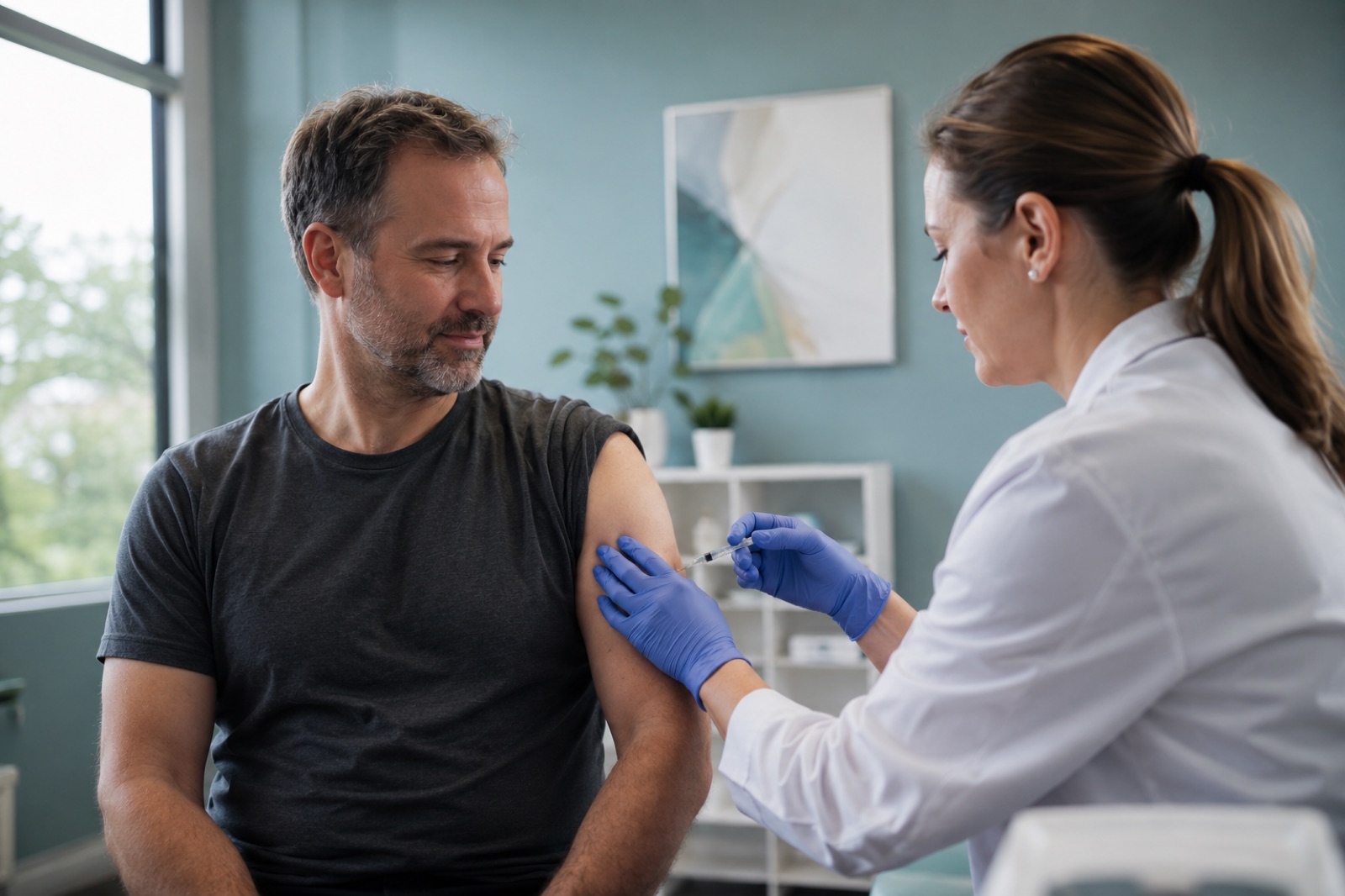
Ask most people what a pharmacist vaccinates against and you’ll get one answer: the flu jab. Fair enough, it’s the one with the autumn posters and the queue out the door. But tucked in beside it, quietly available and just as worth your time, are two vaccines that protect against something far less talked about, and considerably more unpleasant to actually live through, shingles.
Chickenpox never really leaves. It just goes to sleep.
Where shingles actually comes from
Here’s the part that catches people out. Chickenpox, that itchy childhood illness most of us shrug off by age ten, doesn’t fully leave the body once the spots clear up. The virus behind it, varicella-zoster, retreats into nerve tissue near the spine and effectively goes dormant. For most people it stays quiet for decades. But as the immune system naturally weakens with age, or gets knocked back by stress, illness, or certain medications, that dormant virus can wake up. When it does, it travels along a nerve pathway to the skin, and the result is shingles. It’s a strange thing to explain to someone at the counter, the illness they had as a child never actually left, it just went quiet.
What makes shingles different from a lot of rashes is the nerve involvement. It doesn’t just sit on the surface, it tracks along a specific nerve, which is why the pain often shows up as a tight band on one side of the body, or across one side of the face, before any rash is even visible. People describe it as burning, stabbing, or like an electric current under the skin. The blistering rash that follows usually clears in a few weeks, but for some, especially older adults, the nerve pain can hang around long after the skin has healed. That lingering pain is the real reason shingles has a reputation worse than the average viral illness, and it’s the main reason prevention is worth a conversation rather than dealing with it after the fact.
Why chickenpox doesn’t make you immune
The natural follow-up question is always the same: if I’ve already had chickenpox, doesn’t that mean I’m immune? It’s an understandable assumption, but it works the opposite way round. Having had chickenpox is actually the precondition for shingles, it’s literally the same virus resurfacing, not a new infection you can dodge by having had the first one already. Almost anyone who had chickenpox as a child is carrying the dormant virus and is, in theory, a candidate for shingles later in life. Age is the biggest factor, since immunity naturally softens over the years, which is why the shingles vaccine is generally recommended for older adults rather than younger ones.
The other forgotten vaccine
Pneumococcal vaccination tends to get lumped in with shingles as another one people forget about, and for similar reasons, it protects against something that becomes more serious with age rather than something dramatic in the moment. Pneumococcal bacteria are a common cause of chest infections and pneumonia, and while a fit younger adult might fight it off without much drama, it can hit harder in older adults or anyone with an underlying condition like heart or lung disease or diabetes. Like the shingles vaccine, it’s generally something the pharmacist or GP will flag based on your age and health background rather than something you’d think to ask for off your own bat, which is exactly why it’s worth raising yourself if nobody’s mentioned it.
None of this is about causing worry, it’s really just about closing a gap in what people know is on offer. Vaccination in Ireland has become so associated with the annual flu campaign that these other two can slip under the radar for years, even though they’re sitting on the same shelf. If you’re over fifty, managing a long-term condition, or simply not sure whether you’re due either one, it’s worth a quick chat next time you’re in. The pharmacist can talk you through whether you’re a suitable candidate and what to expect, no referral or fuss required.
Still wondering about something?
Ring 061 454 000 and ask for the pharmacist — that’s what we’re here for.
Worth a read next
Health Hub